Call us now :08037735459
 Send Inquiry
 Send Inquiry
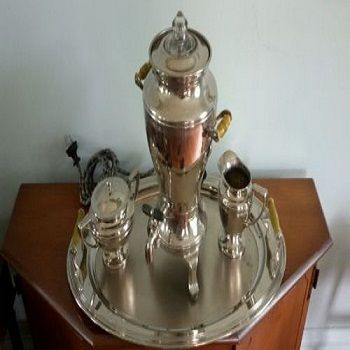
Rare Antique Imperial Indian Samovars
MOQ : 24 Pieces
Rare Antique Imperial Indian Samovars Specification
- Material
- Copper, Brass (nan)
- Patina
- Rich, Aged
- Condition
- Rare, Antique, Collectible
- Suitable For
- Collectors, Museums, Antique Enthusiasts
- Restoration Status
- Unrestored, Original Condition
- Color
- Natural Copper/Brass Patina
- Collectibility
- Highly Sought-after Antique
- Craftsmanship
- Handcrafted by Indian Artisans
- Spout
- Ornate Brass Spigot
- Design
- Hand-engraved, Traditional Indian Motifs
- Usage
- Decorative, Collectible, Tea Brewing
- Age
- Antique (Exact Age Unknown, nan)
- Lid
- Removable, Dome-shaped
- Finish
- Antique, Handcrafted
- Type
- Samovar (Traditional Tea Urn)
- Care
- Requires gentle cleaning, avoid abrasive materials
- Handles
- Solid Brass Side Handles
- Product Name
- Rare Antique Imperial Indian Samovars
- Authenticity
- Guaranteed Genuine Imperial Indian Origin
- Packaging
- Secure, Protective for Antiques
Rare Antique Imperial Indian Samovars Trade Information
- Minimum Order Quantity
- 24 Pieces
- FOB Port
- Mumbai
- Payment Terms
- Telegraphic Transfer (T/T)
- Supply Ability
- 500 Pieces Per Month
- Delivery Time
- 45 Months
- Sample Available
- Yes
- Packaging Details
- First Packing by butter paper, Second Packing Polybag Third Packing Bubble Packing Fourth Packing Cover with Thermocol 15mm sheet six side Fifth Packing with corrugated box 5 ply Sixth Packing with Master Carton with four piece of corrugated box packed.
- Main Export Market(s)
- Australia, North America, Eastern Europe, Western Europe, Africa, Central America, Middle East, South America, Asia
About Rare Antique Imperial Indian Samovars
Product Description:
The Lower East Side Restoration Project's historic collection of beautiful Antique Indian Imperial Samovars are 100 - 250 years old. Each Samovar is hand made and no two are alike. At the height of Samovar production in the late 1800s and early 1900s, "factories" in India turned out only a few Samovars per day. Samovars are made of many different types of metals - including iron, copper, brass and bronze. The design elements and embellishments were limited only by the resources, imagination and artistry of the maker.
The Lower East Side Restoration Project's historic collection of beautiful Antique Indian Imperial Samovars are 100 - 250 years old. Each Samovar is hand made and no two are alike. At the height of Samovar production in the late 1800s and early 1900s, "factories" in India turned out only a few Samovars per day. Samovars are made of many different types of metals - including iron, copper, brass and bronze. The design elements and embellishments were limited only by the resources, imagination and artistry of the maker.
Exquisite Craftsmanship and Design
Each Imperial Indian Samovar showcases meticulous handcrafted excellence by skilled Indian artisans, featuring traditional motifs delicately engraved onto the copper and brass body. These details coupled with the aged patina narrate centuries of Indian heritage, making each urn a unique testament to antique artistry.
Antique Authenticity and Collectible Value
Guaranteed genuine Imperial Indian origin, these samovars remain unrestored and highlight a rich, natural patina that signifies age and rarity. Their authenticity and originality make them highly sought after among collectors, museums, and anyone passionate about antique artifacts.
FAQs of Rare Antique Imperial Indian Samovars:
Q: How should I clean and maintain my Rare Antique Imperial Indian Samovar to preserve its patina?
A: Gently wipe the samovar using a soft, dry cloth. Avoid abrasive materials and harsh chemicals, as these may damage the natural copper or brass patina and delicate engravings. Regular gentle cleaning helps maintain its antique finish and preserves historical value.Q: What benefits does collecting an Imperial Indian Samovar offer to enthusiasts or museums?
A: Owning a genuine Imperial Indian Samovar provides an opportunity to appreciate traditional Indian craftsmanship and rare antique design. It serves as a centerpiece for collections, enhances museum exhibits with cultural significance, and can also be used for classic tea brewing rituals.Q: Where are these antique samovars typically sourced from and who creates them?
A: These samovars are handcrafted by skilled artisans in India, adhering to centuries-old techniques. They are sourced directly from regions renowned for their metalwork heritage, ensuring authenticity and cultural provenance.Q: What makes the design of these Indian Samovars unique compared to other antique tea urns?
A: Imperial Indian Samovars feature hand-engraved motifs inspired by traditional Indian art, ornate brass spigots, and distinctive dome-shaped removable lids. The combination of natural copper and brass patina creates a striking aesthetic not found in other antique samovars.Q: When is it best to display or use these samovars?
A: These samovars are ideal for decorative display in homes, galleries, or museums year-round. For collectors or tea enthusiasts, they can be used during special gatherings or tea ceremonies, highlighting the fusion of utility and artistry.Q: What is the restoration status of these samovars and how does it impact their collectibility?
A: Imperial Indian Samovars are sold in unrestored, original condition, showcasing an authentic aged patina. This untouched status significantly enhances their collectibility and value among antique aficionados.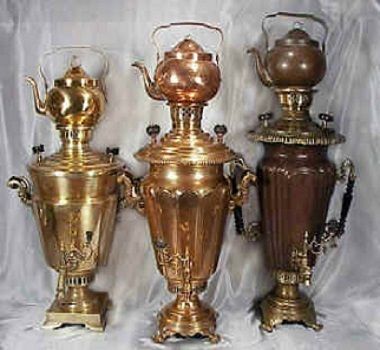
Tell us about your requirement

Price:
Quantity
Select Unit
- 50
- 100
- 200
- 250
- 500
- 1000+
Additional detail
Mobile number
Email

More Products in Coffee & Tea Urn Category
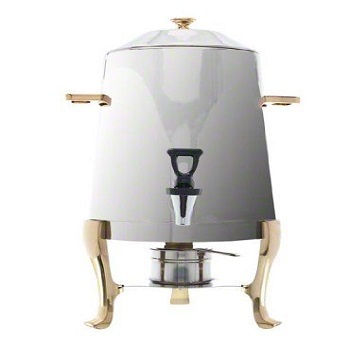
International Otto CTU-30GD Stainless Steel Coffee Urn
Price Range 125.00 - 300.00 USD ($)
Minimum Order Quantity : 24 Pieces


 Send Inquiry
Our Products
- Beautiful Gift / Decorative Items
- Brass Cremation Urns
- Brass Metal Pet Cremation Urn
- Bronze Metal Cremation Urn
- Memorial Urns
- Brass Keepsake & Token Urns
- Photo Frame
- Statues and Figurines
- Memory Box
- Gift Boxes
- Rosaries
- Metal Cremation Urns
- Heart keepsake Urn
- Bronze Doors
- Planters
- Animal Figurine
- Table Lamp Collection
- Floor Lamps
- Cutlery
- Furniture
- Cloisonne Cremation Urn
- Handcrafted Furniture
- Aluminium Handicrafts
- Holiday & Christmas Decorations
- Key Chains
- Religious Crafts
- Sculptures
- Wall Clock
- Fruit Baskets
- Candle Holders
- Candelabra
- Nautical Gifts & Crafts
- Brass Vases
- Wooden Handicrafts
- Wooden Incense Burner
- Fashion Beads Costume Jewellery
- Cremation Jewelry For Loved Ones
- Hotel Kitchen Wares
- Bathroom Accessories
- Brass Door Handles & Accessories
- PUB & Wine Bucket
- Wood Carving Handicrafts
- Brass Carvings Vases
- Brass Animals
- Pure Silver
- Brass Antique Coffee tea urn
- Brass Antique Magnifying Glass
- Cross & Crucifix
- Hooks
- Brass Bell
- Bronze Pet Cremation Urns
- Wooden Swings
- Hotel And Kitchen Equipments
- Chandelier Lamp Collections
- Hanging Lamp Collections
- Moroccan Antique Lamp Collections
- Pendant Lamp Collections
- Crystal Collection - New
- Wall Lamp Collections
- Bath Tub Collections
- Wash Basin Collections
- Brass & Copper Candle Cup
- Copper Mug
- Moorish Moroccan
- Decorative Lanterns
- Coffee & Tea Urn
- Brass Teardrop Urns
- Oil Lamps
- Brass Cube urn
- Cube Urns
- Companion Urn
- Aluminum Cremation Urn
- Wood Cremation Urn
- Pet Cremation Urns
- Candle Tealight Urn
- Golf & Sport Urn
- Horse Urn
- Steel Furniture
- Keychain Brass Nautical
- Brass Tulip
- Hookah
- Animal Sculpture
- Tibetan Bowl
- Iron Urn
- Iron Birds Cage
- Brass Items
- BrassPooja Items
- Brass Pooja Items
- Pet Candles
- Bronze Side Panel
- Copper Washbasin




31/A-13, Mohd Ali Road, Opp. Takhat Wali Masjid,Moradabad - 244001, Uttar Pradesh, India

Mr Mohammed Alam
(Proprietor)
Mobile :08037735459
 Send Inquiry
 Send SMS
Developed and Managed by Infocom Network Private Limited.
